
Last Updated on February 19, 2026 by Sharaj
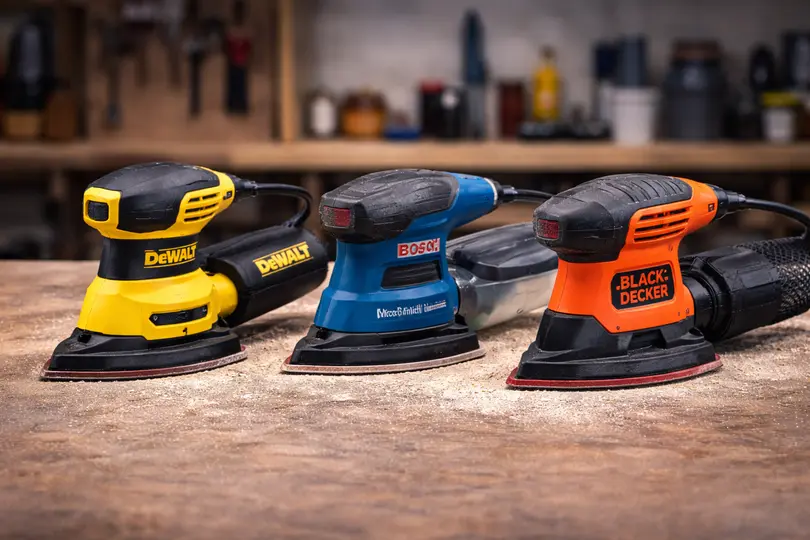
If you’ve ever tried sanding tight corners or tricky edges with a large sander, you’ll know how awkward it can be. Big machines are great for wide surfaces, but they struggle with detail work. The best detail sander makes it much easier to smooth small areas, reach into corners, and finish delicate projects neatly. It’s lightweight, easy to control, and ideal for furniture, skirting boards, and DIY touch ups.
In this guide, we’ll help you find a detail sander that’s powerful, precise, and good value for your money.
Top Picks



Bosch PSM 200 AES Multi‑Sander
A very flexible multi‑sander with two interchangeable plates that cover corners and larger surfaces efficiently. Electronic speed control and good dust extraction make it a worthwhile choice for serious DIYers and small workshops.
Who this is for
We rate the PSM 200 AES as an excellent tool for those who want one sander that can do several jobs — from fine finish work to sanding larger panels. It’s a strong choice for small workshops, carpenters doing varied tasks and committed DIYers.
Key features and benefits
The machine has two plates: a triangular pad for corners and a rectangular plate for larger surfaces, which reduces the need to swap tools mid‑project. The motor (200 W) paired with Bosch’s preselection of revolutions gives precise control over different materials and grits.
Limitations and practical tips
Although versatile, its weight and form factor make it less suited to long overhead tasks. We recommend using a vacuum extractor when doing extended operations to maximise dust control. Keep spare sanding sheets in both plate shapes to speed up progress.
Key specifications
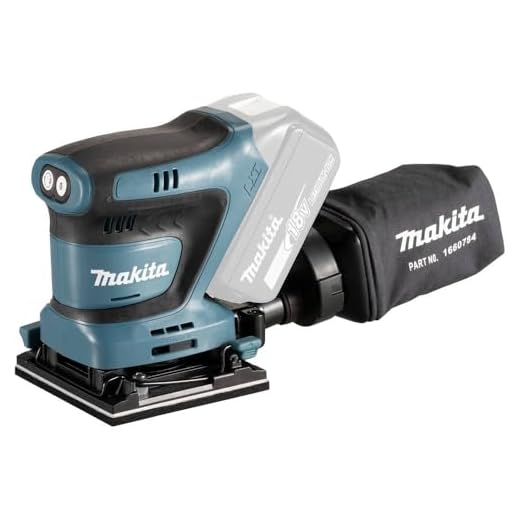
Makita DBO480Z 18V Finishing Sander
A compact 18 V finishing sander from Makita that feels robust and performs consistently. The two‑speed control, clamp or hook‑and‑loop fastening and direct vacuum connection make it a very practical choice for workshop finishing work.
Who this is for
We’d pick the Makita DBO480Z for professionals or serious DIYers who need a compact finishing sander with flexible speed settings and excellent dust handling. It’s ideal for cabinetry, trim and finishing woodwork where a clean, smooth finish matters.
Key features & benefits
Makita’s two‑speed electronic control allows fine tuning the aggressiveness for different materials. The pad supports both clamp and hook & loop paper fastening and the efficient through‑the‑pad dust extraction links to your vacuum for a cleaner jobsite.
Limitations and practical tips
You need to budget for an 18 V Makita battery and charger if you don’t already own them. For long sessions, fit a larger Ah battery for longer runtime but be mindful of added weight. Keep a selection of grit ranges ready to work from coarse to fine for the best finish.
Key specifications
WORX 5‑in‑1 Cordless Multi Sander
A clever multi‑function sander that swaps between orbital, finishing, detail, contour and finger sanding pads quickly. On the PowerShare battery system it delivers great flexibility for users who already own WORX batteries or want a single tool to cover many tasks.
Who this is for
We recommend the WORX 5‑in‑1 to households and small trade users who value flexibility and cordless convenience. If you already have WORX batteries, this becomes a very economical and versatile addition to your toolkit.
Key features & benefits
The design lets us switch between five different sanding functions: random orbit, finishing, detail, finger and contour. The HyperLock system makes pad changes quick and the included template for cutting your own pads is a practical touch for users who prefer roll paper.
Limitations and practical tips
Because it’s sold without a battery, initial cost rises if you need to buy compatible batteries and a charger. We found that coarse grits remove material quickly but can exhaust batteries faster; keep spare cells on hand for long jobs. Wear hearing protection; it’s louder than many single‑purpose sanders.
Key specifications
BLACK+DECKER KA2500K Next Gen Mouse
A beefed‑up evolution of the popular Mouse sander that adds power and a neat accessory kit, making it an excellent choice for general home DIY. The integrated dust collection is better than earlier models but still not perfect.
Who this is for
We favour this Next Generation Mouse for homeowners who want a ready‑to‑use detail sander out of the box. When you value an accessory kit and improved sanding sheets for a variety of tasks, this is a practical selection.
Key features & benefits
The updated motor gives more grunt than earlier generations and the mesh sanding sheets last longer and resist clogging. The new dust canister captures a decent amount of debris, and the three rubber grip zones provide excellent control in awkward positions.
Limitations and practical tips
Don’t expect industrial‑level dust containment — the micro canister helps but we still recommend a mask and goggles for fine dust work. If you need cordless mobility, look at the battery models; otherwise this remains a strong, economical option for home use.
Key specifications
Bosch EasySander 18V Cordless Detail Sander
A compact, punchy cordless detail sander that pairs well with Bosch 18V batteries and saves us dragging extension leads. It’s ideal for touch‑ups and awkward spots, though weight with larger batteries can be noticeable.
Who this is for
This is best for tradespeople and DIYers already invested in Bosch’s 18 V battery ecosystem who want a small, mobile sander for detail work. It’s excellent for touch‑ups, door frames and finishing in places where a cord is a nuisance.
Key features & benefits
The cordless design gives us complete freedom of movement and the motor is punchy enough for a range of handheld sanding tasks. Bosch supplies sanding papers and the build quality is in line with the brand’s reputation for durability.
Limitations and practical tips
Expect reduced run time when using smaller batteries and increased fatigue with larger cells due to added weight. We recommend pairing it with a medium‑capacity Bosch battery (e.g. 2.5–3.0 Ah) for a good balance of runtime and comfort. Keep spare papers on hand for bigger projects.
Key specifications
Ryobi R18PS‑0 One+ Cordless Palm Sander
A solid, well‑made palm sander that’s most attractive to people already invested in Ryobi’s One+ battery system. It’s durable, performs well in corners and offers great value when paired with existing batteries.
Who this is for
We recommend the R18PS‑0 to homeowners and semi‑professional tradespeople who already own Ryobi One+ batteries. Its value is highest when you can reuse existing batteries across tools, making it a cost‑effective choice in that ecosystem.
Key features & benefits
The 1.8 mm orbital motion and triangular pad provide precise sanding up to edges and into corners. Ryobi’s reputation for decent quality at a friendly price point means this sander will generally last a long time with routine care.
Limitations and practical tips
If you don’t already own One+ batteries, initial outlay for batteries and a charger reduces the immediate value. We found it useful to fit a 4 Ah battery for longer jobs, but that increases weight — so balance capacity and comfort depending on the task.
Key specifications
Einhell TE‑OS 18/150 Cordless Detail Sander
A practical and wallet‑friendly cordless detail sander that performs well for domestic and light professional tasks. It’s especially appealing for those using the Power X‑Change battery system and wanting a compact, palm‑friendly sanding tool.
Who this is for
We recommend the Einhell TE‑OS 18/150 to DIYers on a budget who want cordless freedom without sacrificing too much performance. It’s well suited to workshop touch‑ups, trim work and occasional sanding of wood, plaster and metal.
Key features & benefits
The palm‑friendly ergonomics and soft grip make it comfortable for one‑handed use. Compatibility with the Power X‑Change family is a big advantage if you have other Einhell tools. The Extreme‑Fix system ensures a good hold of sanding sheets for consistent results.
Limitations and practical tips
The onboard dust collector is convenient for small tasks but we recommend using a vacuum extraction for longer or dustier jobs to keep the motor and workspace cleaner. If you plan heavy sanding session, equip a larger capacity battery but be mindful of added weight.
Key specifications
BLACK+DECKER Mouse 55W Detail Sander
A compact, straightforward detail sander that’s excellent value for money and well suited to tight corners and intricate surfaces. Its corded power gives consistent performance but the cable can occasionally get in the way.
Who this is for
We suggest this model for DIYers who need an affordable, dependable detail sander for small furniture, paint removal and tight corners. It’s ideal if you don’t require cordless freedom and prefer steady corded performance.
Key features & benefits
With a 55 W motor and a triangular pad, it’s designed precisely for corners, narrow mouldings and fiddly edges. The ergonomic shape helps maintain control during extended use and replacement pads are easy to source.
Limitations and practical tips
The cord can be intrusive on awkward jobs; plan cable routing or use a longer extension if needed. For large-scale or professional stripping, step up to a more powerful orbital sander. For best results we recommend using progressively finer grits and wearing a dust mask.
Key specifications
Bosch PSM 100 A Palm Sander
A compact, user‑friendly palm sander that punches above its weight for light DIY and furniture work. It’s easy to handle, includes a case and dust box, and is ideal for occasional workshops and home projects.
Who this is for
We recommend this palm sander for hobbyists and homeowners who need a reliable, inexpensive tool for light restoration, painting prep and small furniture jobs. Its small size makes it especially handy for stairs, shelves and small flat surfaces where control matters.
Key features and benefits
The 100 W motor gives sufficient power for fine-to-medium sanding and the triangular pad reaches into corners that round sanders can’t. The microfilter dust box collects most of the debris so the workspace stays neater — useful when working indoors.
Limitations and practical tips
The unit isn’t intended for heavy material removal or long continuous professional use. Expect to change sandpaper frequently on larger projects and wear hearing/respiratory protection when tackling paint or finish removals. A vacuum connection isn’t available on this model, so empty the dust box regularly to keep efficiency up.
Key specifications
Final Thoughts
Our top recommendation for a workshop-focused detail/orbital sander is the DEWALT DWE6423. It combines real muscle with control and dust management — exactly what we want for heavy prepping and fine finishing on furniture, doors and larger panels.
If you want a versatile all-rounder for varied jobs — from trimming profiles to reaching corners — the Bosch PSM 200 AES is our runner-up recommendation. Its two-plate system makes it unusually flexible.
If cordless freedom is essential in your workshop, keep the Makita DBO480Z on the shortlist — it’s our preferred cordless finisher thanks to a stout 18 V platform, two-speed control and a direct vacuum hookup that keeps dust under control. For quick touch-ups and jobs where mobility matters, it’s a top practical choice.
In short: buy the DEWALT DWE6423 for best overall workshop performance; pick the Bosch PSM 200 AES if you want one sander that genuinely covers many different sanding chores.
