
Last Updated on February 20, 2026 by Sharaj
Seven drills, one tiny wallet—can a budget press still feel pro? Spoiler: yes (sometimes with a little fettling).
A good pillar drill doesn’t have to cost a fortune. For DIYers, hobbyists, and light workshop use, many budget pillar drills offer the accuracy, power, and stability needed for clean, consistent drilling without stretching your budget. The key is knowing which models deliver reliable motor performance, solid build quality, and adjustable speed control at an affordable price.
In this guide, we highlight the best budget pillar drills that balance performance and value, helping you choose a dependable option for wood, metal, and general workshop projects
Our Top Picks



Bosch PBD 40 Bench Pillar Drill
A refined, feature-rich bench drill that balances precision and convenience for demanding workshop tasks. It pairs clear speed/depth readouts and sturdy construction with intuitive controls for consistent results.
We find the Bosch PBD 40 very capable for both serious hobbyists and light professional use. It feels engineered rather than boxed up, with a clear digital speed and depth display that makes repeat drilling straightforward and fast.
Who it's best for
This is ideal for small workshop professionals and committed DIYers who need durable, accurate drilling and the flexibility to switch between materials without belt fiddling.
Key spec: 710W motor, 13 mm chuck, 90 mm stroke, 2-speed gearbox, digital display.
The Bosch excels where repeatability matters: jigs, countersinking and small-batch metalwork. Limitations are its price and the supplied chuck — if you use large Forstner bits we recommend fitting a keyed or larger-shank chuck. Buying guide (budget pillar drill): prioritise motor power and reliable depth control; digital readouts and quick clamps are rare at low prices but make big time savings. We rate this where quality and workflow count.
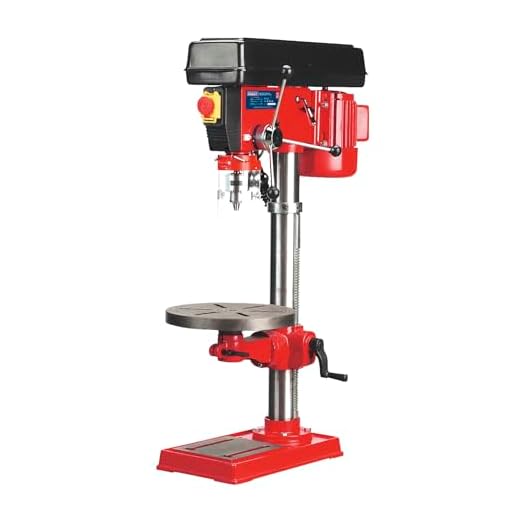
Sealey GDM120B 16-Speed Pillar Drill
A heavy, durable pillar drill designed for sustained light industrial or agricultural work. Its large mass gives stability and steadiness that hobby bench machines lack.
We value the Sealey GDM120B for heavier-duty tasks where stability and long-term reliability matter. At around 55 kg it’s a different class to benchtop drills: the weight reduces vibration and improves hole quality in repetitive work.
Who it's best for
Small workshops, light industrial or agricultural users who need a robust machine for frequent use and wider speed selection.
Key spec: 16 speeds, 550W nominal (model listings vary), 1000 mm column height, heavy cast construction.
In real-world use the Sealey rewards investment with steadier drilling and longer life; do inspect transit parts carefully and allow for some setup time. For buyers of a budget pillar drill considering longevity, prioritize build mass and accessible spare parts — these are the best predictors of a trouble-free lifetime. We recommend this when you need a machine that will be used frequently and robustly.
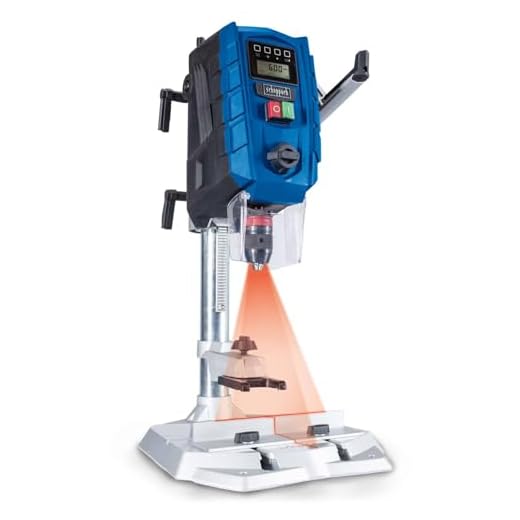
Scheppach DP60 Bench Pillar Drill
An impressively feature-packed drill at a keen price that suits hobbyists who want a step up from makeshift bench drilling. It gives good power and a sensible feature set for the money.
We like the Scheppach DP60 for its combination of power and features at a modest cost. The 710W motor and two-speed arrangement handle wood, metal and plastics well, and the digital speed readout is a helpful touch when changing materials.
Who it's best for
Good for weekend DIYers and small projects where budget and versatility matter more than millimetre-perfect alignment.
Key spec: 710W motor, 13 mm chuck, digital display, 100 mm stroke, 2-speed gearbox.
Practically, this drill is a sensible upgrade from hand drills: the quick clamp and electronic control reduce mistakes. The laser is adequate for rough alignment but not precision work. If choosing a budget pillar drill, check for service access and whether the speed display is reliable — both improve long-term satisfaction. Overall, a well-priced workhorse we’d recommend for DIY use.
Scheppach DP16VLS Column Drill
A strong-value column drill that comes with a vice and tilting table, making it handy straight out of the box. It balances power and features well for home workshops.
We appreciate the Scheppach DP16VLS as a rounded package for workshop starters who want accessories included. The 500W motor and five-speed range cover most domestic needs, and the supplied vice and tilting table reduce the need for immediate upgrades.
Who it's best for
Hobbyists and small project makers who want an all-in-one machine ready for immediate use.
Key spec: 500W motor, 1.5–13 mm chuck, 50 mm stroke, 600–2650 rpm, included vice.
In practice it’s solid and versatile; the laser is useful for rough alignment though we wouldn’t rely on it for precision work. When buying a budget pillar drill, look for included accessories and a sturdy table — these save money and improve early experience. This Scheppach is a practical, well-provisioned option we’d recommend.
Einhell TC-BD 450 Bench Drill
A compact, user-friendly bench drill that offers good functionality for simple workshop tasks. It’s an economical choice for those who need reliable, occasional drilling without extras.
We find the Einhell TC-BD 450 an appealing entry-level bench drill for light-duty work. The variable speed and clear depth display are handy when switching between wood and thin metal, and the tilting table adds flexibility for angled holes.
Who it's best for
Hobbyists and DIYers needing a compact, affordable pillar drill for occasional use and light workshop tasks.
Key spec: 450W motor, max 2650 rpm, 50 mm drilling depth, tilt and rotatable table.
In everyday use it’s straightforward and compact, though the assembly paperwork could be clearer. If searching for a budget pillar drill, prioritise a useful depth stop and table adjustability — both improve accuracy more than a minor extra wattage. For light workshop duties this Einhell is a practical choice that won’t break the bank.
Clarke CDP5RB Five-Speed Drill
A straightforward, compact pillar drill that covers the essentials without fuss. It’s robust enough for hobby use and simple metal or woodwork, offering good value for home workshops.
We regard the Clarke CDP5RB as a sensible pick for hobbyists who need a compact, no-nonsense pillar drill. Its five-speed pulley setup covers common drilling needs and the B16 taper gives access to standard chucks and accessories.
Who it's best for
Small home workshops, model makers and DIYers who prioritise space-saving and safety features over industrial throughput.
Key spec: 350W motor, 13 mm chuck, five speeds (620–2620 rpm), B16 spindle taper.
In practice the drill is easy to erect and use; we recommend light lubrication on the column for smoother travel. The safety cut-out and perspex guard are welcome for family workshops. When buying a budget pillar drill, factor in motor wattage and spindle compatibility — these determine the kinds of jobs you can tackle without upgrades. For hobby use, this Clarke hits the mark.
Silverline 350W Bench Drill Press
An inexpensive, compact drill press that handles basic drilling tasks well for hobbyists on a tight budget. Expect some fettling and modest finish quality, but good core functionality for the price.
We recommend the Silverline 350W when cost is the primary concern and you need a simple bench drill for occasional jobs. It’s compact and functions well for woodworking and light metalwork, though some machining and finishing defects are common and often require tidying.
Who it's best for
Budget-conscious DIYers and beginners who want an affordable introduction to bench drilling without professional expectations.
Key spec: 350W motor, five speed options, 250 mm (10") column, variable speed by belt change.
If choosing a budget pillar drill, accept some hand-finishing or modest upgrades (cleaning burrs, improving the depth stop) to get the best results. We suggest checking runout and tightening column fittings during setup. For the price it’s hard to beat as a starter machine.
Final Thoughts
We recommend the Bosch PBD 40 as our top pick — it’s the closest thing to a small professional bench drill without a professional price. Strengths: precision controls, solid build and clear speed/depth readouts. Ideal for serious hobbyists and small workshop tasks where repeatability and control matter.
For most DIYers wanting the best balance of price and capability, the Scheppach DP60 is the smartest buy. Strengths: excellent value, useful features and good power for wood and light metalwork. Ideal for home workshops that want a step-up from makeshift solutions without overspending.
Buying and Using Budget Pillar Drills (2026)
We start by deciding what we’ll actually drill. Are we making furniture, repairing farm kit or doing occasional metalwork? Match the machine to the task first — power and stability second. A heavier column and cast base reduce wobble; a tilting table and decent vice speed up accurate set-up.
Key specs to compare (single-line key specs):
What to prioritise when buying:
Practical tips from our bench:
Buying guide (brief): For repeatable, higher-precision work pick the Bosch PBD 40; for best value choose the Scheppach DP60. If you need on-site durability or sustained industrial runs, consider the Sealey GDM120B. For tight benches or infrequent DIY jobs, the Einhell, Clarke or Silverline will serve well if you’re prepared to adjust them on set-up.
FAQ
Mass helps — heavier pillar drills reduce vibration and wandering. For metal and repeatable deep holes we prefer a heavier model like the Sealey GDM120B; for lighter, occasional work a compact Einhell or Clarke will do fine.
Yes. Variable speed (or multiple speeds) lets us match the drill to material and bit size, improving finish and increasing tool life. If cutting metal or large bits, avoid single-speed models.
A sturdy vice and a tilting table make setup faster and safer. The Scheppach DP16VLS includes both, so you can clamp odd-shaped work or cut angled holes without buying extras.
Some alignment tweaks, tightening shims and a touch of lubrication are normal for ultra-budget models like the Silverline. They work well once dialled in but may need patience on assembly.
Many can, but choose a machine with adequate motor power and low-speed capability for larger diameter metal drilling. Use proper cutting fluid and slow feed rates—Bosch and Sealey are better suited for regular metalwork.
