
Last Updated on February 27, 2026 by Sharaj
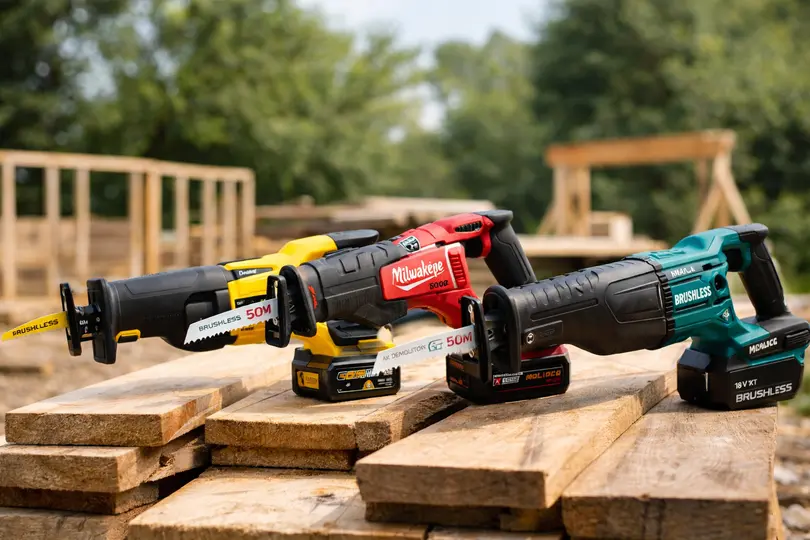
If you’re a DIYer taking on home renovations or a contractor handling daily site work, a brushless reciprocating saw is a serious upgrade. Compared to brushed models, brushless motors deliver stronger performance, longer runtime and better durability — exactly what you need for demanding cutting tasks.
In this review, we’ve rounded up the best brushless reciprocating saws (in the UK) for cutting through timber, metal, pipework and demolition materials. Whether you want control for precise home projects or rugged reliability for trade use, these picks balance power, efficiency and value.
Top Picks
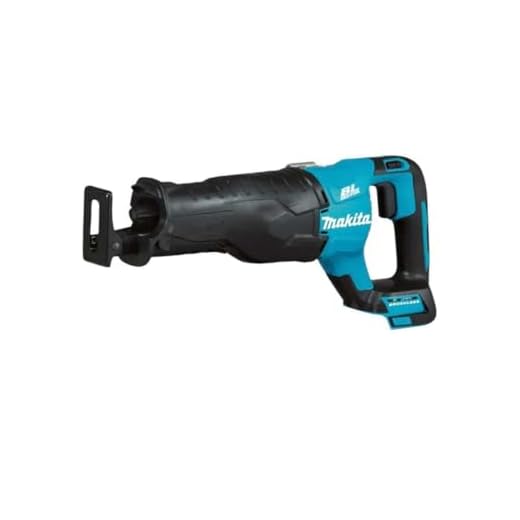


Makita DJR187Z 18V LXT Brushless Reciprocating
We rate this highly for its thoughtful balance of torque, control and low vibration. It’s a versatile option for contractors who want a dependable cordless saw with useful professional features.
Professional features for controlled cutting
The Makita DJR187Z 18V LXT Brushless Reciprocating Saw is our top pick, thanks to its outstanding balance of professional features and cordless convenience. Its efficient brushless motor delivers strong, consistent cutting performance while maximising runtime and durability.
With electronic two-speed selection, tool-less blade changes and an adjustable shoe, it’s built for quick setup and smooth operation on site. Offering solid cutting capacity in both wood and metal, this brushless reciprocating saw is a dependable all-rounder — ideal for trade professionals and serious DIYers who need reliable performance for demanding tasks.
Standout features
Real-world performance and insights
In use the DJR187Z feels planted and controlled; we particularly like the lower vibration and how it cuts through branches and timber without excessive effort. Users frequently mention how much easier pruning and medium-sized cuts become versus manual saws. For repeated heavy cuts we recommend swapped blades designed for the material to avoid bending.
Considerations before purchase
This is a tool-only model, so factor in the cost of good LXT batteries and a charger. If you need perfectly clean finish cuts for joinery, a dedicated saw or a fine-tooth blade will be needed — this model excels at speed and versatility rather than ultra-fine finish.
DEWALT 18V XR Sub-Compact Reciprocating
We find this exceptionally useful where access is limited and one-handed operation is essential. It balances surprising cutting power with a compact, lightweight design that keeps jobs moving quickly and safely.
Compact power and one-handed control
The DEWALT 18V XR Sub-Compact Reciprocating Saw stands out for delivering true brushless-motor performance in a lightweight, sub-compact body. It combines solid cutting power with improved efficiency and runtime, all in a design that’s easier to handle in confined spaces.
It’s an excellent choice for tradespeople and DIYers who regularly work on ladders, in lofts, inside van builds or overhead — anywhere a full-size reciprocating saw would feel bulky or awkward. Compact without feeling underpowered, it’s built for control, access and everyday practicality.
What we like
Practical benefits and examples
We’ve used this model to cut joists, remove cast-iron soil pipe sections on ladders and trim branches where precision and mobility mattered more than brute force. Users repeatedly report that, with the right blade, it chews through timber and plastic pipe far beyond what you'd expect from something so small. We also appreciate quick blade changes and the sensible control layout.
Limitations and who should consider alternatives
While excellent for tight-site work and occasional demolition, this is not a substitute for a mains-powered or full-size reciprocating saw for heavy demolition or continuous high-volume cutting. If you regularly pull up decking or heavy joists, we recommend a larger saw in addition to this one.
Bosch Professional 18V Compact Reciprocating
We appreciate its refined feel and control in tight or awkward workspaces. The compact design, LED and SDS blade change make it a trustworthy choice for professionals prioritising portability and finish.
Refined engineering for portable precision
We chose this compact Bosch because it delivers dependable cutting performance in a portable, ergonomic format. Best choice for tradespeople who oscillate between demolition and precision tasks in restricted spaces and want a premium-feeling cordless option.
Notable features
How it performs in practice
In everyday use the tool cuts smoothly with minimal vibration; it’s especially useful for work in attics, between joists or up trees. Owners report that it’s surprisingly capable and ‘steals territory’ from larger mains tools for many tasks. Do remember that blade choice is critical — matching blade type to the material improves both speed and blade life.
Practical limitations
Although we like the build quality, this is not the tool for continuous, heavy-duty demolition where a mains 1100 W saw would be the obvious pick. Also check packaging condition on arrival with retailers, as isolated reports note cosmetic scuffs on some units.
RYOBI ONE+ HP 18V Brushless Reciprocating
We like how this model blends strong runtime and practical features at a competitive price point. It’s a great choice for regular DIYers and tradespeople who value efficient battery use and consistent cutting performance.
Long runtime and everyday practicality
We selected this RYOBI because it focuses on delivering practical cutting speed and exceptional runtime within the ONE+ ecosystem. Best choice for users who already own ONE+ batteries or those who want a cordless recip that won’t quickly drain higher-capacity packs.
Useful features at a glance
How it fits into a toolkit
For general demolition, pruning and site work the saw is a consistently good performer. We’ve seen it used to clear pallets, trim branches and tackle medium-duty renovation tasks without needing constant battery swaps. The easy-release blade lever is handy when moving between materials.
What to consider before buying
If you don’t already use RYOBI ONE+ batteries you’ll need to factor in the cost of at least one high-capacity battery to get the longevity benefits. Also, for highly precise finish work, a finer-tooth blade or a different tool may be preferable.
Metabo SSE 18 LTX BL Compact Sabre
We find this Metabo excels where reach and manoeuvrability matter most. It combines a lightweight chassis with Metabo’s brushless motor to keep progress quick while reducing operator fatigue.
Lightweight agility for constrained workspaces
We picked the Metabo SSE 18 LTX BL for its focus on accessibility and efficiency. Best for jobs where weight and reach are critical: service work, plant rooms, overhead cuts and awkward demolition where a big saw simply won’t fit.
Core benefits
Use cases and practical tips
We recommend this saw for electricians, plumbers and general tradespeople working in tight service areas. The included metaBOX option is a plus where site storage and transport are important. For thicker timber or sustained demolition, pair the tool with a high-capacity battery or consider a larger reciprocating saw as backup.
Limitations to be aware of
While the saw is excellent for accessibility and quick progress, it isn’t a replacement for a full-power demolition recip. Expect to swap to a larger tool for heavy joists or full deck removal.
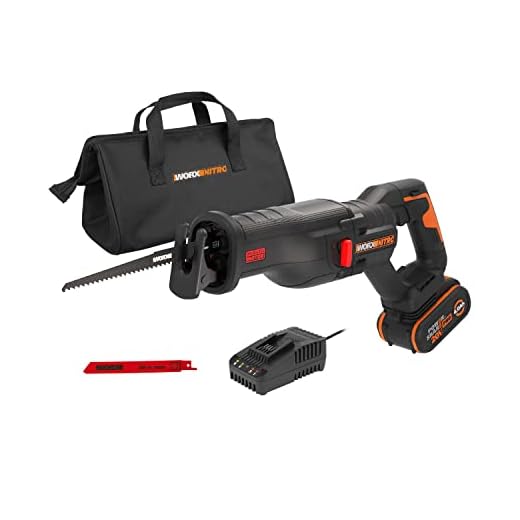
WORX Nitro 18V Brushless Reciprocating Saw
We value the WORX Nitro for bundling battery and charger with a capable brushless motor, making it a strong entry-level package. It suits users wanting immediate out-of-the-box capability without extra purchases.
We recommend this WORX Nitro when immediate usability and value matter. Best choice for homeowners and tradespeople who prefer a complete kit rather than buying batteries and chargers separately.
Notable features and benefits
Practical impressions and real-world use
Owners report the tool feels powerful for its price and appreciates the convenience of having a battery and charger included. It performs well on wood, PVC and light metal tasks — ideal for garden work, small demolition and general site cutting. A common user comment is that it’s an “absolute monster” for the money.
Caveats and buying considerations
The saw is heavier than many compact alternatives and is supplied in soft packaging by some sellers rather than a dedicated box. If portability and low weight are top priorities, consider a lighter sub-compact model; however, for value and immediate readiness, this package is hard to beat.
Final Thoughts
Our top recommendation is the Makita DJR187Z 18V LXT Brushless Reciprocating. It delivers the best blend of torque, control and reliability — ideal for contractors and serious DIYers who need a durable, all-rounder that reduces vibration and keeps cuts controlled.
If you work in cramped spaces or often need one-handed access, choose the DEWALT 18V XR Sub-Compact Reciprocating. Its compact, lightweight design and surprising cutting power make it perfect for electricians, plumbers and anyone who spends a lot of time inside cavities or up ladders.
How we pick — and how you should pick — a brushless reciprocating saw
We look for three core things: motor efficiency, ergonomics and blade system. Brushless motors give consistent power and longer runtimes. Ergonomics matters because a saw you can hold all day will save your shoulders. A fast, tool-free blade change keeps downtime to a minimum.
Battery platform and runtime are the next big decisions. If you already own an 18V system, staying on that platform gives the best value. For heavy demolition we recommend at least a 4.0Ah battery; for lighter, tight-access work a 2.0–3.0Ah pack keeps weight down while still delivering useful runtime.
Blade choice and cutting technique make a big difference to finish and speed. Match tooth count to the material:
Keep a selection of bi-metal, wood and demolition blades on hand. Change blades when you notice slower cuts or charring — a blunt blade wastes battery and increases vibration.
Maintenance, accessories and practical tips:
A quick comparison of the favourites we tested:
| Model | Power / Rating | Standout | Best for |
|---|---|---|---|
| Makita DJR187Z | 9.3/10 | Blend of torque, control and low vibration | Contractors who want an all-round professional saw |
| DEWALT 18V XR | 9.0/10 | Extremely compact; one-handed use | Tight spaces, one-handed tasks (electrics, plumbing) |
| Bosch Professional 18V Compact | 8.8/10 | Refined portability and controlled cuts | Finish-focused work in awkward spots |
| RYOBI ONE+ HP 18V | 8.6/10 | Strong runtime and value | Regular DIYers and trades on a budget |
| Metabo SSE 18 LTX BL | 8.5/10 | Reach and manoeuvrability | Hard-to-reach demolition and trimming |
| WORX Nitro 18V | 8.2/10 | Affordable bundle with battery/charger | First-time cordless buyers who want a ready-to-go kit |
Product overviews
Makita DJR187Z 18V LXT Brushless Reciprocating
Key speciality / standout benefit: A superb balance of torque, control and low vibration delivered by Makita’s refined brushless system.
Best choice for: Contractors and tradespeople who need a dependable, everyday cordless saw that reduces operator fatigue and delivers consistent cuts.
DEWALT 18V XR Sub-Compact Reciprocating
Key speciality / standout benefit: Extremely compact and lightweight while still offering surprising cutting power for its size.
Best choice for: Electricians, plumbers and anyone working in tight cavities or needing reliable one-handed operation.
Bosch Professional 18V Compact Reciprocating
Key speciality / standout benefit: Refined portability with useful features like LED illumination and SDS blade change for fast swaps.
Best choice for: Professionals prioritising portability, easy blade changes and controlled finishes in confined spaces.
RYOBI ONE+ HP 18V Brushless Reciprocating
Key speciality / standout benefit: Excellent runtime for the price, benefiting from the ONE+ battery ecosystem.
Best choice for: Regular DIYers and tradespeople who value long runtime and affordability across a wide battery platform.
Metabo SSE 18 LTX BL Compact Sabre
Key speciality / standout benefit: Exceptional manoeuvrability and reach in a lightweight chassis with Metabo’s brushless performance.
Best choice for: Jobs where reach and reduced fatigue are crucial — stripping out or trimming in awkward spaces.
WORX Nitro 18V Brushless Reciprocating Saw
Key speciality / standout benefit: Solid entry-level brushless package that includes battery and charger for immediate use.
Best choice for: Buyers stepping up from corded or older cordless tools who want a ready-to-go kit without extra purchases.
We’ve tried these saws across demolition, pipe work and finish tasks. Match the saw to your regular workload: choose Makita for all-round professional use, DEWALT for tight-access work and RYOBI or WORX if you want great value with good runtime. Keep a small blade kit and spare battery in your bag and you’ll handle most on-site surprises with confidence.
FAQ
Yes. Brushless motors are more efficient and generate less heat, which typically gives better battery life and longer motor life. In practice this means fewer service visits and more cutting per charge.
Choose a bi-metal blade with a medium tooth count (around 14–18 TPI) for mixed demolition. It’ll cut wood with embedded nails and thin metal without shredding the blade too quickly.
Very. Longer stroke length gives faster cuts in wood; adjustable speed helps when starting cuts or cutting metal. A saw that combines a decent stroke with variable speed gives us better control across materials.
Not necessarily. Compact reciprocating saws (like the DEWALT sub-compact) sacrifice some continuous power and reach for manoeuvrability. For many trades that means better access and less fatigue without a crippling loss of cutting ability.
- Use a brushless model — less vibration and better efficiency. 2) Choose a well-balanced design and keep the battery small for overhead work. 3) Use anti-vibration gloves and take short breaks during long demolition runs.
